A hot tub is a promise in acrylic form. You picture steam rising, shoulders dropping, maybe a glass of something cold on the edge, and the tiny miracle of sleeping like a hibernating bear. Then you start shopping, and the romance gets ambushed by pump specs, shell materials, jet counts, and a parade of “hot tub for sale” listings that all look suspiciously alike. I’ve helped homeowners choose, install, and, occasionally, rescue their decisions for more than a decade. The biggest disasters rarely come from lemons. They come from buyers who missed critical details that don’t fit on a glossy brochure.
If you want the soak without the regret, sidestep the traps below. Some of these are obvious in hindsight, like checking your deck can hold the weight. Others hide in the fine print or behind a perfectly staged showroom model. Learn from the mistakes I’ve watched others make, preferably before you sign anything or back a trailer into your driveway.
Falling for Jet Count Hype
Retailers love a big number. Forty-eight jets must be better than twenty-four, right? Here’s the unglamorous truth: jets are only as good as the pump horsepower, plumbing layout, and air control that feed them. I’ve soaked in tubs with 70 jets that felt like a tepid whisper and in 28-jet models that worked knots out of my shoulders like a well-trained therapist.
Look past the count. Ask how many pumps it has, and whether the pumps are dedicated to therapy or shared with filtration. A single two-speed pump often splits its duties. When it’s filtering, it isn’t delivering serious massage power. Two or three pumps, each moving a real flow rate, usually beat one valiant overworked motor. Ask for the gallons per minute per seat during therapy mode. If the salesperson can’t tell you, they should at least invite you to a wet test, which is the hot tub equivalent of a test drive. Sit in, try different seats, change diverter valves, and notice whether one person gets a fire hose while everyone else enjoys a light sprinkle.
A brief warning on “turbo air” systems: air injectors can feel invigorating, but too much air without water flow turns massage into fizz. It also cools the water, which means the heater has to work harder. Balance wins over bravado.
Ignoring the Power Problem
I once watched a homeowner discover their “plug-and-play” tub needed a 50-foot GFCI run to the backyard, through a finished basement, right past a built-in bar. The electrician’s quote nearly matched the cost of the tub. Electrical planning is not an afterthought, it is the second line item after the tub itself.
Most full-size hot tubs are hardwired at 240 volts and need a dedicated 50 or 60 amp GFCI breaker. Smaller “plug-and-play” models run on 120 volts at 15 or 20 amps, but they heat slowly, and some can’t run the heater while the jets are on high. That can be fine for occasional use or a rental unit, but a family of four in January will notice the temperature dropping during long sessions.
Map the run before you buy. Measure the distance from your main panel to the install site, check for accessible paths, and ask your electrician for a ballpark estimate with GFCI included. In most suburban homes, you’ll hear numbers in the 800 to 2,000 dollar range for straightforward installs, more if your panel is maxed out or the run is ugly. If your backyard layout screams trench me, add more for conduit and labor. Don’t forget local code about disconnect boxes within sight of the tub, and respect required clearances.
Underestimating Weight and Support
An empty 7-person tub might weigh 700 to 1,000 pounds. Add water and you are looking at 3,000 to 5,000 pounds. Add people and drinks and that pretty deck can turn into an unplanned diving board. I have seen railings fail, joists twist, and one memorable saga where the tub listed like a ship because the pavers underneath settled unevenly.
Your base matters. A concrete pad at least 4 inches thick, reinforced and level, is the gold standard. Compact gravel with pavers can work if done right and if drainage is good. Wooden decks can work too, but a structural assessment matters. An engineer or a contractor who knows load calculations will tell you whether your deck can handle 100 pounds per square foot in that corner. The cost of beefing up joists and posts is cheap compared with removing and reinstalling a tub after the fact.
Even ground-level installs should consider frost and drainage. Water that pools under a tub in winter becomes a lever. It shifts, settles, and cracks shells. Plan for slope away from the base and use landscape fabric and gravel to avoid mud and bugs. While you are at it, measure gate widths and the path from the street. Many tubs arrive fully assembled and need a 36 to 40 inch path with room to pivot. I have watched deliveries stall at a gate by two inches. Not a good day for anyone.
Not Wet Testing, Then Living With Buyer’s Remorse
Showroom lighting and slow-motion steam make even mediocre seats look inviting. The only sense that matters is how it feels in your body. Seat depth varies wildly. A petite person can float out of a deep therapy seat, while a tall person can end up with knees in the chin in a “lounge” that looked perfect on paper. Waterline placement, jet placement, footwell space, and the firmness of the pillows matter. So does ergonomics. Some tubs push you into a single “correct” posture that may not suit your shoulders or hips.
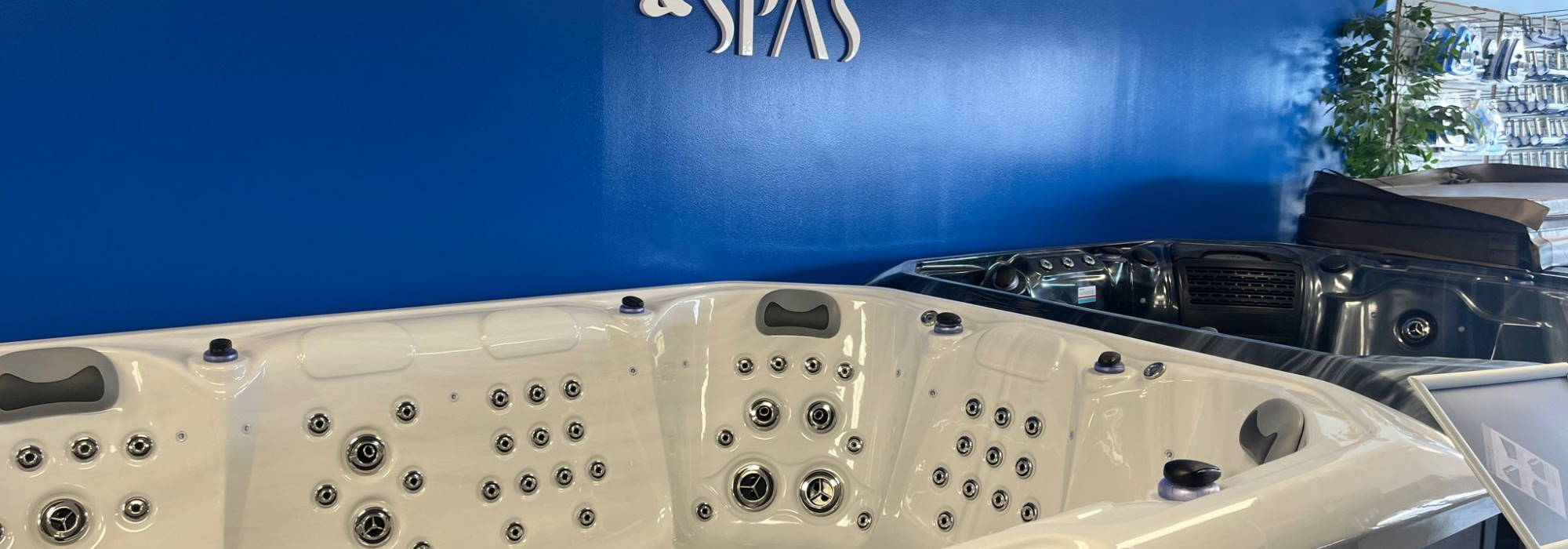
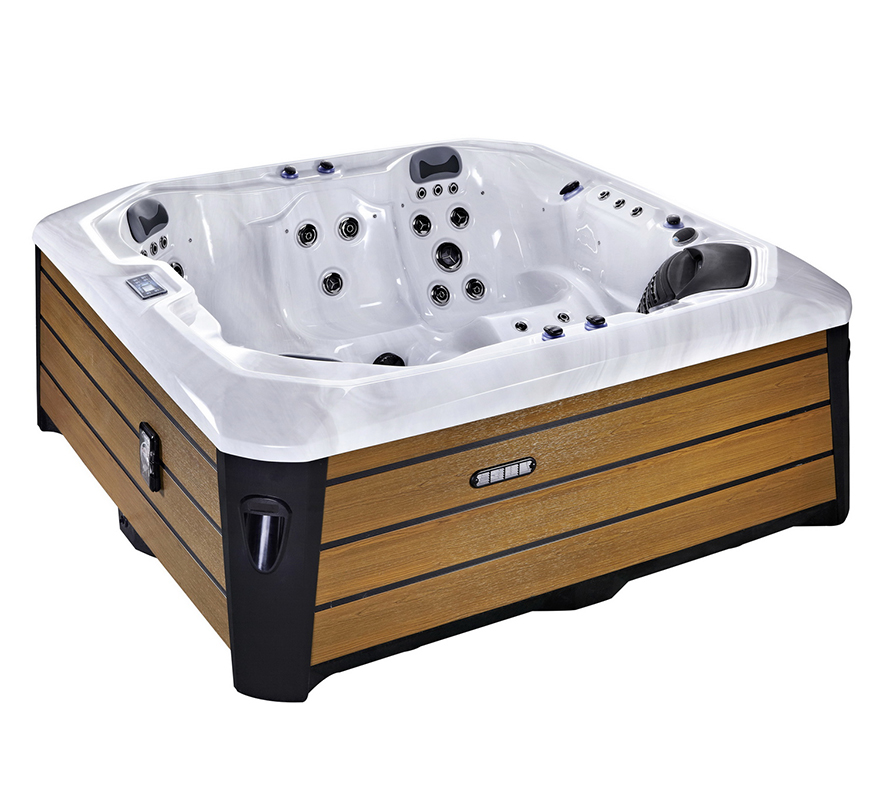
If a salesperson deters you from a wet test, consider that a data point. Good dealers keep at least one or two floor models plumbed for honest trials. Bring a swimsuit, sit for 20 minutes, and switch seats. Ask to test on high and low, with diverters open and closed. Pay attention to pump noise. Listen to cabinet rattles. Feel for uneven pressure across your back. Imagine yourself using it on a Tuesday night after a long day. If the lounge keeps floating you, it will keep floating you at home too. And if the seat that looks boring ends up relieving your lower back in 90 seconds, that’s the seat that will earn its keep.
Buying on Deal Price, Not Total Cost of Ownership
“Hot tub for sale” ads love a slash price and a timer counting down to the “final day.” Deals can be real. They can also hide what you will pay over five to ten years. The heater, pumps, insulation, and controls dictate your utility bill. A poorly insulated tub in a cold climate can cost 60 to 90 dollars a month in winter. A well-built, fully foamed model might run 25 to 45 dollars under the same conditions. Over ten years, that difference buys a family vacation.
Open the cabinet and look. Full-foam insulation supports plumbing and captures waste heat from pumps. Perimeter insulation can work if the manufacturer designed a true heat-lock system, but a thin reflective blanket stapled inside the cabinet is lipstick. Ask for actual test data at 102 degrees with ambient at 30 to 40 degrees, or at least a credible energy consumption range. Demand a cover with a dense foam core and a tight skirt. A 4 to 2 inch tapered cover beats a flat 3 inch cover in cold climates, and a cover lifter that keeps the hinge seam tight will save you kilowatts.
Then there are consumables. Filters need replacing. Ozone cells, UV bulbs, and salt cells have lifespans. Pillow foam breaks down. Jet internals wear. Ask what parts cost and how often they fail. I’d rather pay 200 dollars more for a model that uses standard, widely available filter cartridges than be locked into a unique part only sold by one distributor.
Fuzzy on Water Care Until It’s Green
People buy a tub for relaxation and then get blindsided by chemistry. It is not rocket science, but it does require a rhythm. The worst mistake is assuming “chlorine free” means maintenance free. Every system has a fail point. Salt systems generate chlorine. Ozone helps oxidize but does not sanitize the water alone. Mineral sticks reduce chlorine demand, not eliminate it.
Pick a system that fits your tolerance for tinkering. If you travel or forget weekly tasks, a saltwater system with good pH control can be a great match, though you will trade in salt cell replacement every few years. Traditional chlorine and bromine are bite-sized habits: test 2 to 3 times a week, adjust after heavy use, shock weekly or after parties, and purge lines every 3 to 6 months before a drain and refill. Get a drop test kit, not just strips. Strips are fast, but drops are honest.
Water volume matters more than you think. A 200 gallon two-seater flips chemistry faster than a 450 gallon family tub. Small tubs swing wildly after two people soak for an hour, so the owner needs to be more diligent. Know your fill water, too. Hard water laughs at your heater. If your area runs at 250 ppm hardness, plan on a pre-filter for filling and a scale inhibitor. Stable water chemistry extends heater life, keeps jets from seizing, and saves your lungs.
Forgetting About Noise
You will stop noticing your own tub noise after a week, but your neighbor won’t. The low hum of filtration plus a whine at high speed can carry across a fence at night. Put the equipment side away from bedroom windows. Use a base that decouples vibration from the deck. Rubber isolation pads under the cabinet help, and a well-insulated cabinet dampens the racket. During your wet test, stand 20 feet away while it runs. If you hear a rattle, that rattle will come home with you.
Inside the house, noise matters too. If you plan to place it near a quiet room, think through cycles and schedules. Some control systems let you set filtration windows. Midnight starts in summer are not a marriage enhancer.
Skimping on the Cover and Lifter
A great cover is a heater you don’t pay to plug in. It traps heat and sheds rain. It keeps out leaves, pollen, and the occasional curious squirrel. Many buyers accept the default cover, then discover it weighs 90 pounds after a year of steam absorption because the foam core lacks a proper vapor barrier.
Insist on a marine-grade vinyl with tight stitching, heat-sealed vapor barriers on each foam core, and reinforced handles. The taper should be enough to shed snow. The skirt should overlap the shell and fit tight without buckling. A locking strap is not just for wind, it is for real safety. Choose a lifter that matches your clearance. Side-mount lifters need 12 to 18 inches behind the tub. Under-mount lifters slide under the base and need fewer holes. If your deck is tight, a pivot-style with a gas shock can be the difference between using the tub nightly and telling guests that you “should really use it more.”
Choosing the Wrong Size for How You Live
Most families think they should buy the biggest tub they can fit. Then they notice that 500 gallons takes longer to heat and costs more to keep warm, and that only two people use it most nights. On the flip side, a compact two-seater feels cozy until friends come over and someone ends up with their knees touching a stranger’s shins. The right size follows use patterns, not holiday fantasies.

If you rarely entertain, a 3 to 4 person tub is often perfect. It offers a range of seats without wasting space. If you host often, a 5 to 6 seat open layout without a lounge fits more bodies comfortably. Loungers are polarizing. Some people adore them, others float out. If you truly want a lounge, test it wet. If you’re neutral, an all-seater layout usually makes better use of the footprint.
Remember the service side of the equation. Larger tubs can be trouble to access in tight yards. Leave at least 18 to 24 inches on the equipment side for service. If it fails three years in and the tech can’t reach the pump without tipping the tub on its side, you will pay in labor and stress.
Treating Brand and Dealer as Afterthoughts
You are not just buying a product, you are buying a relationship. Pumps fail, heaters burn out, topside controls develop a sense of humor after lightning storms. A strong manufacturer and a reputable local dealer turn those hiccups into a Tuesday afternoon fix instead of a summer-long saga.
Look for clear parts availability, not just today but historically. Can you get replacement jets five years from now? Does the brand use standard Balboa or Gecko control packs, or proprietary everything? Proprietary is not bad if the support is great and the parts pipeline is healthy. It is a headache if the brand changes hands or your dealer closes.
Ask the dealer how they handle warranty claims. Do they stock common parts? What’s their typical response time? I favor dealers who can show you a service schedule and talk candidly about what fails most and when. You want straight talk like: “These pillows need replacement every 18 to 24 months,” and “Expect to swap a circulation pump around year 5 to 7.”
Believing “Maintenance Free” Cabinets and Shells
Composite cabinets beat stained wood for the average homeowner, but “maintenance free” often means “won’t rot,” not “immune to UV and scratches.” Dark colors fade faster in full sun. Panels can rattle if fasteners loosen. Acrylic shells are tough, but they do scratch, and they do craze if exposed to aggressive solvents. Use cleaners intended for hot tubs. Avoid abrasive pads. Treat the cover with UV protectant twice a year if your tub bakes in afternoon sun.
On salt systems, hardware corrosion is a real consideration. Good manufacturers select fasteners and frame materials that tolerate salt mist. Ask your dealer what changes in the cabinet or frame design support salt use. If they mumble about it being “fine,” that’s not an answer. Look for stainless where it matters, proper venting, and drainage paths that keep salty condensate from pooling.
Forgetting Simple Safety
A tub is a joy, but it also makes hot water interesting to small humans and older joints. If you have kids or guests, set ground rules early. Keep water at or below 104 Fahrenheit for adults, and much lower for kids. Install a locking cover and actually lock it. Put non-slip mats on entry points, and consider a handrail if your step is tall. Keep glass away from the water. I once fished shards out of a footwell after a champagne accident. The party mood leaves immediately.
Check your GFCI monthly with the test button. It takes five seconds and it can save a life. If you live in a stormy area, use a surge protector rated for the load or talk to your electrician about whole-house surge protection. Electronics fry faster than you think.
Skipping Practical Delivery Planning
On delivery day, everything becomes physical. A crane might be necessary if your yard is boxed in by walls or mature trees. Crane rentals run a few hundred to a couple thousand dollars depending on access and height. Measure the path from the street to the pad, including the narrowest gate opening and any tight turns. Watch for low eaves, meter boxes, and AC units. Remove sections of fence ahead of time. Clear dog waste and garden ornaments. Your delivery crew will thank you, and your tub will arrive without a scratch.
Have your electrician coordinate with delivery. Many warranties require startup by a professional or at least proper electrical verification. Fill with a hose and a pre-filter through the filter compartment, not just into the footwell. This helps purge air from the lines. Prime pumps before running jets on high. Read the startup guide. The first 30 minutes set the tone for the next 10 years.
Overlooking Ergonomics for Everyone Who Will Use It
The perfect seat for you might be a shrug for your partner. Pay attention to how different bodies fit. Shoulder jets that hit your trapezius might smack your spouse in the neck. Footwell crowding can turn a six-seater into four cheerful people and two sets of awkward shins. Try the cool-down seat, the one that sits higher near the lip. It is useful for temperature breaks and for anyone who feels overheated easily.
If accessibility matters, low entry height and sturdy steps change everything. Curved steps look great but can be wobbly. Wide, deep steps with a handrail make late-night entries less theatrical. For older adults, seat heights between 17 and 19 inches are usually easier to stand from than deep bucket seats. Try them all.
Not Reading the Warranty With a Jaded Eye
Warranties vary widely. Some headline a long shell warranty but offer skimpy coverage on parts and labor. Others have exclusions that make claims a maze. Read the terms. Labor coverage length matters just as much as parts. Cosmetic issues like cabinet fading or pillow deterioration may be explicitly excluded. Electrical surges, water chemistry damage, or improper base and leveling can void coverage.
Ask for clarity on travel charges for technicians. A “covered repair” feels different when you pay a 150 dollar trip fee each time. If the dealer uses third-party technicians, confirm who schedules and how quickly they typically respond. Keep a log of water chemistry if you are the diligent type. When a heater fails and the manufacturer asks for proof that you didn’t run the water at pH 5 for six months, you will have notes.
Falling for Spa Show Fever
Traveling expo shows can dazzle. Lights, music, bundled steps, an “only today” price. Some are legitimate opportunities. Some are pressure cookers. Slow down. A serious dealer will honor their pricing for a reasonable window. Take the spec sheets home. Check energy estimates. Call a couple of owners or read reviews that include multi-year updates, not just week-one euphoria. If delivery windows are vague or “factory direct” means no local service, think twice. Hot tubs aren’t mattresses. You need local support.
A Short, Realistic Pre-Buy Checklist
Use this briefly at the end, not as a substitute for the thinking above.
- Confirm electrical: panel capacity, GFCI size, install path, code compliance, estimated cost. Confirm base: level, load-bearing, drainage, access clearance on equipment side. Wet test: comfort in all seats, noise level, jet power, ergonomics for everyone. Ownership costs: insulation quality, cover quality, filter and part prices, expected energy range. Support: dealer responsiveness, parts availability, warranty terms for parts and labor.
When a “Used Hot Tub for Sale” Looks Tempting
The secondhand market can be a gold mine, or a swamp. If a neighbor lists a hot Swim and Spas tub for sale for a fraction of retail, the value depends on diagnostics you can’t do with a glance. Insist on seeing it hot, running all pumps and lights, no top-off water in the past few hours to hide a slow leak. Look inside the cabinet for water marks, mouse nests, and plumbing repairs. Old water on foam smells musty, and brown drips on the foam near a fitting point to a persistent leak.
Check the age of the cover, because replacing it can cost 400 to 700 dollars. Listen for bearing noise on pumps, a grinding that telegraphs future failure. Confirm that the control system is still supported. Ask for the make and model, then call a parts supplier to verify availability. Factor in a new GFCI installation, a full line purge, new filters, and maybe a circulation pump. If the math still lands in your favor, go for it. If not, walk away. A cheap tub that needs a heater, a pump, and a cover becomes an expensive lesson.
A Few Real-World Numbers to Ground Expectations
On a typical 400 gallon, well-insulated tub in a temperate climate, you’ll see electric use in the neighborhood of 150 to 300 kWh per month with regular year-round use. That might be 25 to 60 dollars depending on local rates. Colder climates and wind exposure push that up, while a sheltered corner and a great cover pull it down. Chemical costs average 10 to 25 dollars a month if you buy in sensible quantities and don’t shock after every Tuesday soak.
A well-maintained tub should get 7 to 10 years from heaters, 5 to 7 years from main pumps, and 2 to 4 years from pillows. Covers often need replacement around year 4 to 6, sooner if they bake in direct sun or the water chemistry runs hot and acidic. These aren’t rules, they are ballpark expectations from the service calls that fill my calendar.
The Payoff When You Get It Right
When a buyer chooses well, the hot tub becomes a habit. Their shoulders drop at 9 pm and they sleep better. Winters feel shorter. Teenagers talk again, because everyone tells the truth when they sit shoulder to shoulder staring at steam. The tub doesn’t demand attention, it rewards it. That outcome is not luck. It is the sum of honest testing, boring prep, and choosing support over sizzle.
Walk past the neon “hot tub for sale” sign with a clear head. Sit in the water before you buy. Invest in the base, the power, the cover, and the dealer. Be realistic about size and noise. Respect chemistry. Make choices for the way you actually live, not the way you hope you might live two holidays a year.
The last thing I’ll say is this: the best tubs disappear. They become part of your landscape and your routine, the quiet ritual that pays you back every day you own it. If you avoid the common mistakes and pick with intention, yours will do exactly that.