Walk into any showroom and the glossy shells, color-changing lights, and waterfall features do a fine job distracting you from two things that actually determine how your hot tub will live with you day after day: the insulation surrounding the plumbing and shell, and the cabinetry wrapping the whole machine. I have spent more winters than I care to admit kneeling beside steaming tubs with a thermal camera, tracing heat loss, and prying open skirts to sort out creaks, leaks, and critters. If you search “hot tubs store near me,” you’ll find plenty of smiling sales photos. If you ask the salesperson to show you a cutaway of the insulation and a cabinet corner sample, you’ll learn who really understands their product.
I am going to compare the insulation and cabinetry choices you’ll meet out there, with practical notes you can apply in a showroom in Winnipeg, Walla Walla, or wherever your backyard sanctuary is taking shape. If your search keeps steering toward Winnipeg Hot Tubs or hot tubs for sale in a cold climate, the stakes are even higher. Insulation affects every hydro bill. Cabinetry affects every maintenance job, every move of the cover lifter, and how your spa looks five winters from now.
Why insulation is the heartbeat of ownership cost
Most people focus on pumps and jets when they ask about efficiency. Motors matter, but insulation determines whether the heat generated by your equipment stays in the spa or escapes to entertain chickadees. A hot tub is a small heated house that sits in wind and snow. It needs an envelope. You will hear three phrases again and again: perimeter insulation, partial foam, and full-foam. Each approach can work, but each asks for different trade-offs.
A quick rule of thumb from my field notes: every inch of quality foam you can keep between 40 Celsius water and -20 Celsius air is money you don’t give to the utility. That does not mean “just spray foam everywhere.” Access, serviceability, and moisture management still matter.
The big three insulation philosophies, and how they behave outside of brochures
Perimeter insulation wraps the inside of the cabinet, leaving air around the shell and plumbing. The air space can capture waste heat from the pumps and heater, and it can make service easier because technicians can reach plumbing without cutting foam. When the manufacturer builds tight cabinets with real gaskets, a foil or EPS board layer, and well-sealed equipment bays, perimeter systems can perform respectably in shoulder seasons. The weakness shows up in hard winter. Moving air, even in a small cavity, works against you. If the skirt leaks or the equipment bay is vented loosely, you are heating the neighborhood.
Partial foam is a middle path. The manufacturer foams critical plumbing lines and the shell underside, then leaves service corridors open. When done with a high-density, closed-cell foam and smart coverage around manifold clusters, partial foam can cut heat loss around the most vulnerable spots without turning every repair into a mining expedition. In practice, partial foam lives or dies on the details. I have opened mid-market spas that looked like someone waved a foam wand at random and called it a day. I have also seen tidy, targeted foam beadwork that told me an engineer walked the line.
Full-foam fills the entire cavity between shell and cabinet with foam, essentially bonding the shell to a foam cradle. You get structural support that dampens vibration and excellent thermal performance because there is no air space to circulate. In colder metros, from Minneapolis to Winnipeg, full-foam tubs consistently post the lowest real-world energy use in my customer logbooks. The trade-off shows up when something leaks. Repairs can require cutting foam, which adds time and cost, although better brands design access zones and use colored foam bands to guide technicians. If you see a full-foam spa that has thoughtful removable panels and a way to re-foam cleanly after service, you are looking at a brand that understands the full lifecycle.
When you stand in a showroom, you rarely get to see inside the skirt. Ask for a cutaway or printed insulation spec with density numbers. If the sales rep tells you “it’s super efficient” without specifics, keep pressing. Closed-cell polyurethane foam in the 1.5 to 2.0 lb per cubic foot range is common for shell support. Higher densities can appear around stress points. Perimeter systems often rely on EPS or XPS board, plus reflective foil layers, with gaps sealed by gaskets. The actual fit and seal of the cabinet panels matters as much as the material.
Cold-climate reality checks, from someone who has shoveled a lot of decks
On a -25 Celsius January night, any small air pathway becomes a miniature chimney. The equipment bay is the usual culprit. I have measured 5 to 8 Celsius warmer air blowing out past unsealed control-panel cutouts in budget models. That warmth is energy you paid for. If you live near Lake Winnipeg or the Red River, make sure the store can show you how the equipment area is sealed, and whether a winter-shield kit exists for their hot tubs for sale. I have fitted aftermarket gaskets and foam blocks that dropped a tub’s winter draw by 10 to 15 percent. Not every cabinet allows this without becoming a maintenance headache.
Full-foam tubs still need attention at the equipment panel. A tight primary seal with a secondary moisture barrier stops wind-driven snow from sneaking in and melting into a puddle beside your pump. Look for drains or scuppers in the equipment floor so meltwater can escape. I have replaced more than one circulation pump that lived in a cold sauna because the equipment bay had no way to shed pooled water.
Another cold-climate note: snow on a cabinet is a useful diagnostic. After a fresh snowfall, look at how the snow melts on each side of the tub. A consistent melt pattern usually means even insulation. A bare strip along one panel suggests leakage or a warm motor pressed against the cabinet. Ask the store if they can point to test results or previous installs in neighborhoods like yours. If Winnipeg Hot Tubs dealers cannot describe how their models behave during a February cold snap, they have not spent enough time outside the showroom.
What affects noise and vibration, and why your neighbors care
Insulation doubles as a sound blanket. You will not notice this on a store floor surrounded by white noise. At home, full-foam tubs often run quieter because the foam locks plumbing and shell together, dampening resonance. Perimeter insulation can leave resonant cavities that act like a drum. In Swim and Spas dense neighborhoods or on raised decks, your choice of insulation changes whether you hear a gentle hum or an insistent thrumming at 11 p.m. If quiet matters, ask for a live water test. Bring your own ears, not just the salesperson’s optimism.
Cabinetry, the unsung hero that keeps you from hating maintenance
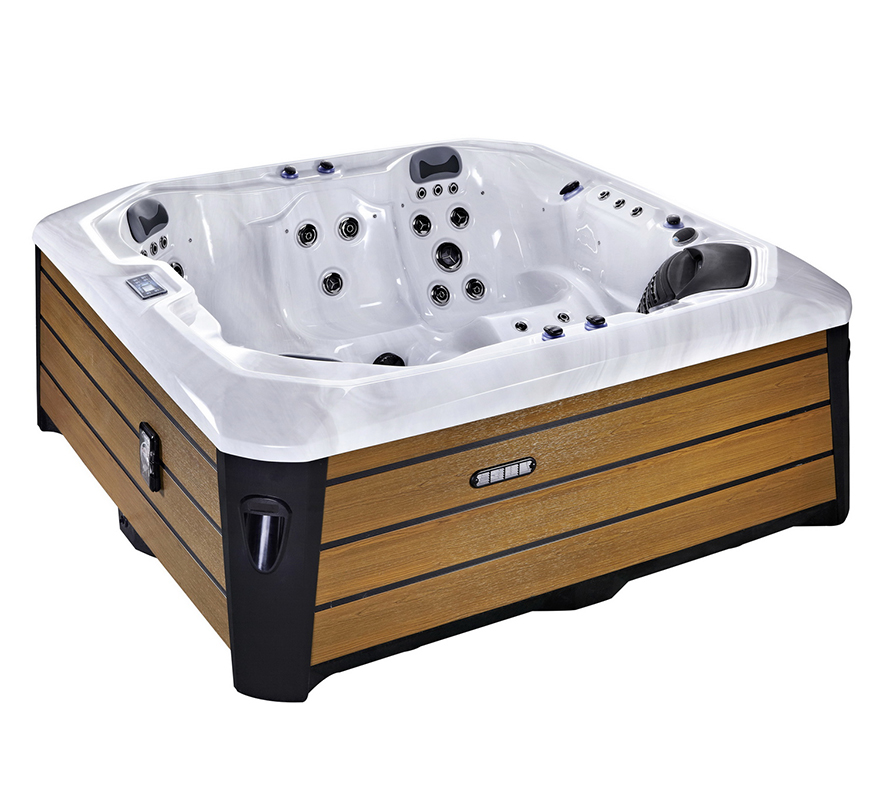
Now to the wrapper you see every day. Cabinetry affects visual appeal, how the tub handles wind and water, whether it welcomes wildlife, and how easy it is to get inside when you need to. I evaluate cabinets on four axes: material, joinery, access design, and weather management.
Wood looks warm and natural, but it asks you to be a caretaker. Cedar and redwood handle moisture better than pine or poplar. Even so, real wood grays, expands, and shrinks. If you love the look, plan to sand and reseal every year or two, and budget for replacement boards after a decade. I have restored cedar skirts that outlived the tub’s electronics, but only because the owners loved tinkering and kept a spare board or two in the garage.
Composites cover a spectrum, from fibercement-like panels to PVC-based, and wood-plastic composites. Good composite skirts resist UV and do not ask for stain. They clean up with soap and a brush. The best versions carry a subtle texture that reads like wood from a step back. The worst feel like a cheap fence. The trick is rigidity. Flimsy composite panels buzz and warp. Ask the store to remove a panel and let you flex it. If you can bend it with two fingers, imagine what a prairie wind will do.
Synthetic cladding integrated with the shell frame is a step above generic panels. Some premium brands mold the cabinet as part of a structural cradle. This adds stiffness and eliminates squeaks around corner posts. It can also make panel replacement pricier. I like systems that keep corners locked with a metal substructure and use removable center panels for service. On spas with a lot of integrated lighting and accent strips, check how those pieces are sealed. I have seen water track along LED channels straight into equipment bays.
Corner strength is not just a cosmetic matter. When you mount a cover lifter, you load the top rail and the posts. If the cabinet has a weak corner, you will hear cracking the first windy day your cover catches like a sail. On inspection, look for metal brackets backing corner joints and screws that bite into real structure, not just panel skins.
Fasteners tell the truth about a cabinet. Stainless screws and machine-thread connectors signal a manufacturer that expects future service. Coated drywall screws are a red flag. When a technician needs to get in fast on a winter night, stripped fasteners turn a 20-minute job into a two-hour ordeal. I like seeing quarter-turn latches with weather caps on the primary service panel.
Drainage, rodents, and other unglamorous realities
Cabinets that sit tight to a deck without a drip edge invite splashback and rot. Ask how the cabinet manages water at the base. Some use a PVC base rail that sheds water. Others leave a gap so air can circulate. In snowy regions, that gap also becomes an invitation for rodents. I have pulled nests out of cozy, perimeter-insulated tubs. If you choose perimeter, ask for a critter screen at the base. Make it stainless mesh, not plastic, and secure it with screws, not staples.
Inside the cabinet, look for drain pathways and non-absorbent insulation near the floor. Closed-cell foam shrugs off splash. Fibrous batts soak and hold water, degrading over time. When a showroom displays a cross-section, feel the foam. Open-cell smells like a sponge and compresses under a thumb. Closed-cell resists.
UV exposure attacks cabinets and covers alike. The south-facing side of a spa can fade a shade or two faster than the north side. Composites handle this better than wood. High-quality synthetics use UV inhibitors. Ask for a sample panel to take into sunlight. If the color shifts under a minute of direct sun, you’ll see noticeable changes by your third summer.
Service access and how technicians actually work
Every manufacturer claims easy access. Reality is kneeling on a frozen deck, headlamp on, trying to reach a union behind a pump while wearing gloves. Good access is a large equipment door with edge seals and a swing or slide-off mechanism that does not force you to remove a dozen screws. The better designs designate service corridors and leave 12 to 18 centimeters of space around manifolds. In full-foam designs, access windows pre-cut and re-foam kits that match the foam density are a sign that engineering talked to service.
Wire management inside the cabinet matters more than you would think. Zip-tied harnesses routed away from hot pump housings last. Wires draped across motors cook their insulation. In winter, that can mean nuisance GFCI trips. On a store floor, peek inside a panel and see if wires are marked and secured. It tells you volumes about the build culture.
Energy use you can actually measure
Sales brochures quote monthly cost, but those numbers assume mild climates and perfect usage. I ask owners to track real draw with a plug-in meter on 120-volt tubs or a sub-meter on 240-volt installations. In a cold Canadian winter, a 7-by-7-foot full-foam spa with a quality cover and good seals often averages 6 to 9 kWh per day during the coldest stretch, less during shoulder seasons. Perimeter-insulated models with leaky panels can push into 10 to 14 kWh on windy, subzero weeks. Your soak schedule matters. Opening the cover twice a day costs more than once nightly. A cracked or waterlogged cover will torpedo any insulation advantage by forcing the heater to chase heat that simply floats away.
If a dealer promises a fixed monthly cost, calibrate your expectations. Ask for a range and the assumptions behind it: set temperature, ambient average, wind exposure, and soak frequency. If you are searching “hot tubs store near me” and weighing options, the most honest stores will mention insulation type and cover R-value in the same sentence.
The cover is part of the insulation system
The best shell insulation cannot compensate for a cheap, heavy, waterlogged cover. Foam-core covers lose R-value as the cores absorb moisture. After 18 to 36 months, many budget covers gain 5 to 10 kilograms of water weight, which drags down both your back and efficiency. Look for tapered, high-density foam cores, heat-welded vapor barriers, reinforced hinges, and full-length heat locks along the edges. If a brand has a well-fitted, insulated cover with a skirt that actually contacts the cabinet lip, you will feel the difference on your hydro bill.
Cover lifters deserve a word here. A lifter that twists the cover off squarely can stress cabinet corners. I prefer lifters that anchor into the spa’s subframe or metal backers, not just into panel skins. Ask the installer to hit structural points and to seal penetrations so water does not wick into the cabinet at those fasteners.
A tour of common failure points
Pumps and heaters get the headlines, but cabinetry and insulation often trigger service calls.
Corner posts that loosen over time lead to squeaks and rattles. You hear it when you lean on the lip and the panel shifts. The fix involves tightening hidden brackets or shimming. Solid posts backed by metal resist this. On a floor model, give a corner a gentle nudge. You are not trying to knock it over, just checking for play. A little flex is normal. A creak is not.
Equipment bay gaskets dry out. When they crack, wind finds the gap. I have stuck my hand into a howling draft on tubs with fancy foil insulation, all defeated by a missing $8 gasket. Ask the dealer whether gaskets are standard stock in their service kits.
Critter damage shows up as chewed foam near the base or droppings inside the bay. Some owners never see it until a pipe warms a nest and raises a stink. A stainless base rail and screened vents cut this risk. If you live near fields or a river, assume rodents are part of the ecosystem and plan accordingly.
Panel UV chalking is cosmetic, not structural, but it signals how the cabinet ages. Wipe a finger across a sunny section of an older display. If chalk transfers easily, the resin mix is not ideal. Better composites stay smoother.
How to shop without getting lost in brochure adjectives
Walk into two or three showrooms. Tell them you want to see inside the cabinet. A good store has a naked shell or a cross-section. If they cannot show you, move on. When you search “hot tubs store near me,” also look at installer reviews, not just the brand stars. Install quality and aftercare often matter more than the last R on a spec sheet.
Here is a simple in-showroom test I use with clients. Bring a small flashlight, a hand mirror, and a magnet.
- Use the flashlight and mirror to peer inside the equipment bay and check for wire management, drain holes, and foam coverage around manifolds. Tap the cabinet in a few places and feel for backing structure. If the magnet catches at corners or rails, there is likely metal backing where it counts. Ask to remove one service panel. Time the process. If it takes the sales rep ten minutes of guessing with a drill, imagine service on a dark winter evening.
If a model passes those three checks, you are in decent territory.
Matching insulation strategy to your home and habits
There is no single winner. The right choice depends on climate, install location, and your appetite for periodic tinkering.
For cold climates with wind exposure, full-foam with a tight equipment bay, a high-R cover, and a well-sealed cabinet usually yields the lowest operating cost and the quietest soak. If you are in an urban backyard with neighbors close by, the sound damping is a bonus. Make sure the brand planned service windows and that your local dealer knows how to re-foam after a fix.
For moderate climates or sheltered installs, a well-executed partial foam can hit a sweet spot between efficiency and serviceability. The manufacturer’s discipline matters. Ask exactly which lines are foamed and whether they still leverage waste heat from pumps.
For users who expect frequent service access, tinkerers, or installers who face tight clearances, a well-sealed perimeter system can work, especially if the cabinet is robust and the equipment bay is weather-tight. Expect to pay a bit more to run it in winter, and consider aftermarket gaskets or insulation kits to tighten the cabinet once the tub is in place.
Deck mounting adds another layer. Raised decks can amplify pump noise. In that case, favor full-foam for damping, and add isolation pads under the spa. Confirm that the cabinet base spreads load evenly so panels do not bow under the lifter’s leverage.
Winnipeg-specific notes, because cold has a personality there
When someone mentions Winnipeg Hot Tubs, I think of two things: wind and temperature swings. Autumn can be mild, then a week later you are scraping ice. The best installs in that region use wind breaks and consideration for snow load. Place the spa so the equipment bay does not face prevailing winds. Choose a cabinet with real corner strength so the cover lifter does not rack the frame on gusty days. Insulate the slab or deck surface where possible. Cold wicks up from below. A simple rigid foam base under a spa pad can cut conductive loss.
Dealers in that market often carry lines proven in prairie winters. Ask them to show you winter bills from clients who soak three to four nights a week. You will get a better sense of what insulation and cabinetry choices mean for your monthly costs.
How cabinetry design helps or hinders future upgrades
You may decide to add a salt system, a secondary UV sanitizer, or a Wi-Fi module. Cabinets that allow clean routing and provide spare knockouts make upgrades simple. Cabinets that are sealed like a drum without service paths force installers to drill where they shouldn’t. That introduces leaks and voids warranties. Planning for upgrades at purchase saves headaches. Ask the store to show you where add-ons would live and how cables would run.
Materials and maintenance time, honestly reckoned
No one daydreams about cleaning cabinet corners. Choose materials that match your tolerance for maintenance. If you love the look of cedar and do not mind a spring weekend with sandpaper and oil, go for it. If your schedule already groans, pick a composite with UV stability and call it a day. The right composite will buy you more time in the tub and less time fiddling with a brush.
On insulation, you cannot “maintain” foam the way you maintain wood, but you can maintain seals. Once a year, pull the service panel and check gaskets, look for signs of critters, and verify that drain pathways are clear. Shine a light around at dusk and look for daylight peeking through seams that should be tight. A fifteen-minute inspection will catch small leaks and save you a heater cycle or five.
Red flags I would not ignore
- A cabinet that feels spongy at corners or flexes when you lean on the top rail. An equipment bay filled with loose fiberglass or open-cell foam that feels damp to the touch. Sales staff unwilling or unable to show you behind a panel or a cutaway of the insulation. No mention of cover R-value, hinge seal design, or skirt overlap in the efficiency conversation. Fasteners that rust on the floor model, or missing weather caps on latches.
If you run into these, keep walking. There are enough good options in any region, especially if you have been searching “hot tubs store near me” and comparing more than one dealer.
A note on price tiers and where insulation and cabinetry show up in the number
Entry-level tubs often economize on the cabinet and the insulation. You will see perimeter boards stapled to thin frames, minimal gaskets, and just enough foam to keep pipes from freezing in moderate weather. Mid-tier models vary widely. Some invest in partial foam and robust composite cabinets and land in a sweet spot. Others spend money on lights and speakers while skimping on the envelope. Premium models usually give you full-foam, integrated structural cabinets, and thoughtful service design. The trick is not to pay for premium sizzle without getting the steak. Insist that your dollars buy thermal performance and durable cabinetry before you upgrade the light show.
I like to allocate the mental budget this way: if you have an extra thousand dollars to spend, put it into the envelope before accessories. That thousand pays you back every winter night, while speakers make only some evenings better. A well-insulated, well-sealed tub with a stout cabinet will still feel premium after five years. A flashy tub with a flimsy skirt feels tired by the second winter.
Bringing it back to your backyard
The perfect hot tub is the one that disappears into your routine. It heats without fuss, the cabinet shrugs off weather, service is boring because it is rare, and your utility bill does not make you flinch. Insulation and cabinetry make that possible. They are not glamorous, but they are the difference between a spa that serves you and a spa you serve.
If you are hunting for hot tubs for sale and your search history is full of “hot tubs store near me,” walk in armed with a short list of questions. Ask to see insulation density numbers, cabinet corner construction, equipment bay sealing, and cover specs. Touch the materials. Remove a panel. Stand quietly by a running tub and listen. If you live in a cold belt, treat the cabinet and insulation like the winter coat your water will wear. Buy the coat that fits, that seals at the seams, and that you will not regret by February.
You will forget the sales pitch the first time you lift the cover and a rolling cloud of steam greets you on a crisp night. You will not forget drafty panels, buzzing corners, or a bill that reads like an electric blanket left on high. Choose well now, and your future self, wrapped in a towel under a Winnipeg moon or a suburban porch light, will thank you with every quiet, warm soak.