Step outside on a January evening in Winnipeg and the air has bite. Your breath turns into ribbons of fog, the snow squeaks under your boots, and every instinct says get back inside. Then the spa cover lifts, steam billows, and the jets come alive. That first sinking-into-the-water moment is a tiny personal victory over winter. Now add a halo of LED light and the whisper of lavender perfume in the air, and you’ve got something that feels equal parts spa therapy and small miracle.
This is where aromatherapy and LED lighting earn their keep. They aren’t superficial extras, at least not when they’re done properly. They can elevate a soak from “warm water good” to “my shoulders finally drop, and my brain remembers it has an off switch.” I work with Winnipeg Hot Tubs owners who have weathered more nor’easters than they can count. The stories that stick aren’t about horsepower or insulation R-values, impressive as those are. It’s the details: the way a soft blue light settles nerves after a long drive on the Perimeter, the cedar-and-eucalyptus fragrance that clears a stubborn head cold, the pool of gold light that makes a snow-night soak feel like a private cabin scene.
Below is a no-nonsense guide to aromatherapy and LED options, with local context, trade-offs, and a few cautionary tales for good measure. If you’re browsing hot tubs for sale, or hunting down a “hot tubs store near me” visit, this is the stack of insights people usually wish they had before signing.
What aromatherapy really means in a hot tub
Aromatherapy in a spa gets confused with toss-any-oil-in-and-pray. That approach is hard on filters, cruel to water chemistry, and a fast route to gunked-up lines. The professional setup revolves around spa-safe, water-soluble aromatherapy products that deliver scent without leaving a film. Three mechanisms show up in Winnipeg Hot Tubs most commonly, depending on brand and model.
The simplest method is the add-to-water product, usually a salt or liquid that disperses and breaks down fully. You pour a measured capful directly into the water. It’s the most flexible option, and the least hardware-dependent. The downside is you’re scenting the whole body of water, so if you overdo it, you’re stuck with eau de peppermint for a couple of days. Rinse cycles and fresh water help, but accurate dosing matters.
The second is a canister or bead cartridge system. Think of it like a tea infuser for fragrance, housed in a small compartment connected to the air intake. The scent releases as air flows through the cartridge during jet operation, and the water remains comparatively untouched by oils. This keeps your chemistry more stable, and it’s what I recommend for people with sensitive skin or anyone who cherishes pristine water clarity. You swap cartridges every dozen soaks or so, depending on use.
The third is a dedicated aromatherapy injector that uses a proprietary pod. These systems deliver scent more precisely. They also tie you to brand-specific consumables, which can be pricier and sometimes harder to find mid-winter when shipping timelines hiccup. If you’re the type to stock up, no problem. If not, you might find yourself mid-blizzard with a pod that’s run dry.
As for fragrances, the best choices are spa-labeled formulations like eucalyptus, lavender, ylang-ylang, vanilla, citrus, cedar, and wintergreen. Mint-adjacent oils can feel invigorating in winter, yet they tingle on sensitive skin. Chocolate and candy scents promise novelty, not relaxation, and often read cloying once the steam hits your nose. If your goal is daily decompression, keep the repertoire tight: two calming scents, one clarifying, one uplifting. That’s it.
Matching scents to goals and seasons
If you only buy one fragrance, make it eucalyptus. It cuts through the stuffiness of -20 C air and makes a cold night soak feel fresh. It’s the crowd-pleaser during flu season, and it won’t clash with a glass of crisp white wine. For evening routines where sleep is the mission, lavender deserves its reputation. It’s a nudge to the parasympathetic nervous system, the one that tells your heart rate to slow down. If lavender reads too floral for you, cedar does similar work in a woodsy direction.
Citrus blends help if your hot tub doubles as a morning ritual, especially in the shoulder seasons when sunrise takes its time. The caveat: citrus ramps up perceived brightness and wakefulness, which is great at 7 a.m., not so great at 10 p.m. Keep your citrus for daytime soaks, especially if you battle insomnia.
Some owners try mixing scents like amateur perfumers. A tiny amount of lavender with cedar can work, as can eucalyptus with a drop of mint when your sinuses are grumpy. Beyond that, the nose gets confused and water chemistry takes a hit. Think cocktail, not buffet.
The LED lighting landscape, from simple to cinematic
Lighting changes how the water feels, how your backyard looks, and how your brain reads the ritual. In Winnipeg, winter squeezes daylight, so artificial light becomes mood and safety in one. Spa LEDs break into four tiers.
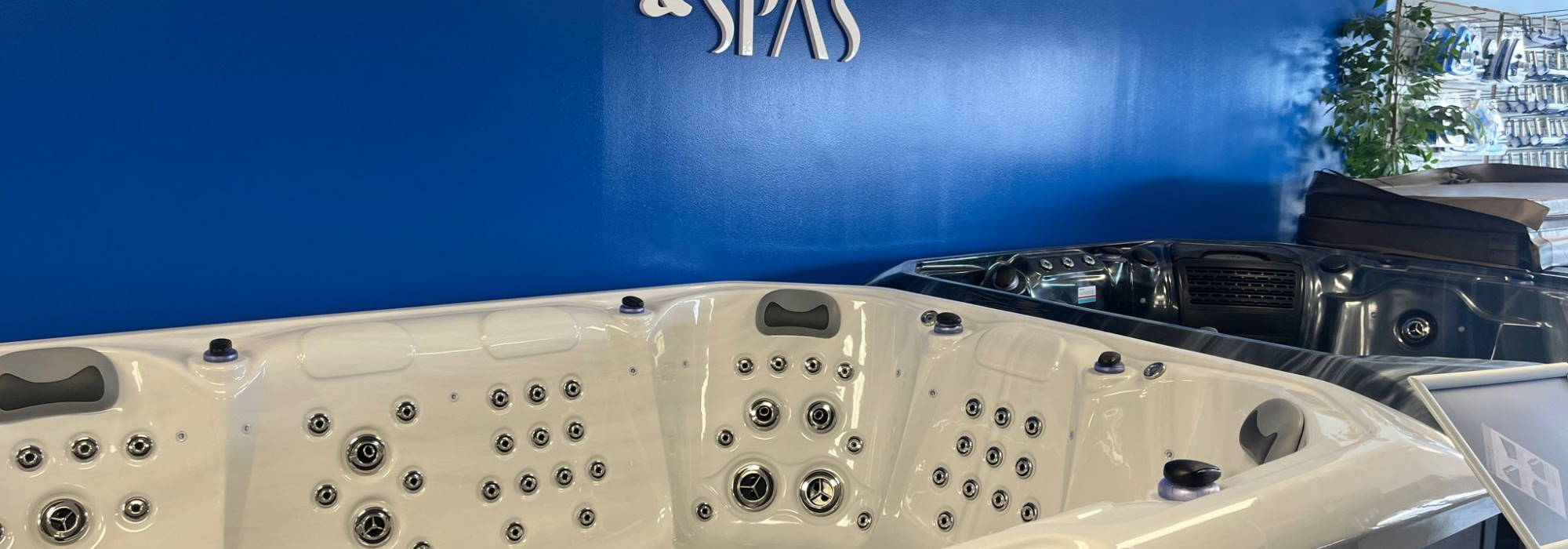
You start with basic single-color tub lights. White light hits function, not romance. It helps you see steps and controls, and it’s reliable. If you’re buying an entry-level spa or renovating a used model, a bright, single-color system is perfectly fine and less likely to fail.
Step up to multicolor interior LEDs with basic cycling modes, and suddenly the tub feels different. Blues settle the mind, greens feel restorative, and a warm amber does cozy very well. These systems usually rely on a simple button to cycle through colors or shift into a slow fade. If you want minimal fuss and maximum mood, this tier is the sweet spot.
Add exterior perimeter LEDs, and you get a floating halo effect that makes winter soaks feel like a scene from a magazine. Perimeter glow also helps guests find their footing and your dog figure out where the steps begin. Some of the better systems allow independent control of interior and exterior zones, which helps if you like a calm blue inside and a warmer wash on the skirt.
At the high end, you get zone-based lighting with app control, maybe even tie-ins to music modes. I treat music-responsive lighting like whipped cream on a sundae. It’s delightful for a backyard party in August. It’s less useful in February when you want minimal sensory input and maximum relaxation. Spend money here if you love the feature and actually plan to use it. Don’t if you’re already the person who disables animations on your phone.
A word on color temperature: “white” LEDs range from cool to warm. Cool white around 5000 to 6000 Kelvin reads crisp and bright, good for safety. Warm white around 2700 to 3000 Kelvin flatters skin, plays nicely with wood decks, and doesn’t scream “operating theatre.” If your spa lets you pick, choose warm for evening soaking, cool for maintenance checks.
How light and scent interact with the cold
Something special happens when steam meets clear, dry winter air. Light refracts through the mist, which can soften and amplify color. Deep blue turns velvety. Teal goes jewel-like. Red becomes intense, often too intense. For most winter nights, soft blue or warm amber are the most forgiving choices. If your spa faces a neighbor’s windows, a gentle interior color with low-brightness perimeter lights is polite and still striking.
Scent carries faster in cold air. A small amount of fragrance feels stronger once the steam lifts it to your nose. That is your signal to under-dose. New owners will often splash in a “spa day” portion and regret it by minute ten. I recommend starting at one-third of the suggested label amount for winter soaks, then creeping upward if needed. Over time you’ll learn your tub’s airflow and your household’s sensitivity.
The chemistry question you actually have to care about
A hot tub is a tiny, warm body of water that asks for balance. Aromatherapy can push it off, but only if you pick the wrong products or play fast and loose with dosing. If you use spa-labeled aromatherapy, keep sanitizer in range, and register what your nose and eyes are telling you, you’ll be fine.
Watch three things. First, foaming. If you see persistent foam that isn’t knocked down by a little anti-foam or water balancing, stop scenting and check your filters. Second, scum lines. A light ring can happen even with good products. Wipe it after your soak while the tub is hot, not on Sunday when it’s cooled and stubborn. Third, cloudiness. Slight softness after a scented soak is normal, pea soup is not. When in doubt, a quick water test and a little oxidizer clears things up fast.
Driven by experience, I’ll add this: plan your filter routine around your aromatherapy schedule. If you scent three nights a week, rinse filters weekly and deep soak them in cleaner every month. If you scent occasionally, biweekly rinses are fine. Filter health dictates water clarity more than any fragrance does.
Controls and automation: convenience counts in -30 C
Old-school controls mean you kneel, open the cabinet, and twist a dial with bare fingers while your warm steam freezes on your glasses. Modern controls end that nonsense. Look for a topside control panel that lets you adjust light brightness and color without leaving the water. If your spa offers app control and your Wi-Fi reaches the backyard, you can set the mood before you step outside. I know owners who program a “get home” scene: jets on low, water at 39 C, lights to warm amber, eucalyptus loaded, all triggered from the driveway.
One caution with internet-connected models: Winnipeg winters can be rough on outdoor access points, and routers inside thick-walled homes can struggle to reach the yard. If you want reliable remote control, plan for a weatherproof extender or mesh node near the back door. Otherwise you’ll find yourself waving your phone at the patio like a conductor with a broken baton.
Buying in Winnipeg: what to ask, what to test
Shopping hot tubs for sale is like test-driving cars. You learn fast by touching the controls and seeing the details in person. Search a hot tubs store near me, then visit a couple of showrooms. The best Winnipeg Hot Tubs retailers know winter use cases and stock models with lighting that holds up to long, dark seasons.
Ask to see lighting at full brightness and at the lowest setting. The low setting matters on a starry night, where you want just enough glow to see the steps, not so much that it washes out the sky. Cycle through colors while the store lights are dimmed. You’ll notice some brands skew toward neon or oversaturated hues. If the blues look electric instead of calm, you’ll tire of them.
On the aromatherapy side, ask which method the model supports. Cartridge systems cost more upfront but keep your water happier. If the spa requires brand-specific pods, confirm their local availability and price, and ask for a realistic replacement interval. I prefer ranges. If a salesperson claims a pod lasts “forever,” smile and ask for a number of hours. Thirty to fifty hours of active jet time is typical in my experience, depending on airflow and scent intensity.
Inspect the control interface. You want lighting and aromatherapy accessible from the main screen, not buried three menus deep. If the model has exterior LEDs, look at how they’re diffused. A good diffuser creates a soft band of light; a poor one shows hotspots and looks cheap at night.
Finally, check the warranty fine print. LEDs are usually covered, but not always for the same duration as pumps and heaters. Replacement LED strips can be fussy if they’re glued behind panels, so a stronger warranty is worth a few extra dollars.
Real-world pairing ideas for different nights
Picture a Wednesday in February. Your commute was an ice-rut slalom. You want the world to quiet down. Set interior lighting to deep blue, exterior lights off or warm dim, and load a lavender cartridge at low intensity. Keep water at 38 to 39 C and run the jets gentle, with air valves half closed. Ten minutes later your shoulders sink an extra inch.
Flip to a Sunday morning reset. Sun peeks through, the backyard’s bright, and you’re in a better mood than a weather map suggests. Citrus scent, cool white lights at low level, water a notch cooler at 37 C, jets on a cycle so you get massage intervals without constant roar. You’ll leave the water alert, not drowsy.
For a small gathering, keep fragrance neutral or skip it. Not everyone enjoys scent in a shared soak. Use warm amber or soft teal lighting, perimeter lights low, and let the scene flatter conversation. If anyone brings a glass of red, amber light makes it look like a magazine photo. Blue light will make it look like a science experiment.
Installation tweaks that make the lighting work harder
Lighting is only half the story; surfaces and placement decide how the light behaves. A matte, lighter-toned privacy screen behind the tub reflects soft light back into the area without glare. Dark, glossy cladding on the spa looks slick under showroom halogens, but it tends to show hot spots outdoors. If you can choose, textured or satin finishes treat LEDs better.
Steps with integrated low-level lighting earn their keep after a snowfall. A tiny toe-kick strip set to warm white reduces trip hazards without blasting your pupils. Run that strip on a separate, always-on low circuit if your spa supports it, so guests can find their way even if the main lights are off.
Think about sightlines from your kitchen and living room. If you see the spa from indoors, choose an exterior LED color that complements your interior lighting in the evening. The contrast between cool-blue outdoors and warm indoor lamps can feel jarring. Warm outdoor tones make the two spaces read as one.
Maintenance habits that preserve the good stuff
If you use aromatherapy weekly, accept that your filters are doing extra work. Rinse them under moderate water pressure, not a powerhouse nozzle that tears the pleats. A soaking cleaner once a month keeps flow rates Extra resources healthy. Most modern spas appreciate a clean filter more than they appreciate a heroic dose of sanitizer. It’s airflow and filtration that keep things slick, not brute chemistry.
For LEDs, avoid popping panels in winter unless you must. If a strip flickers, document it, check connections at accessible points, then call the dealer for a warranty visit. DIY in minus temperatures turns a 20-minute fix into a broken clip or cracked fascia. During the shoulder seasons, gently wipe diffusers with a microfiber cloth. Pollen, dust, and the occasional cobweb dull the effect more than you think.
Give your nose a break too. When you’re using scent often, schedule scent-free soaks. Two or three unscented sessions between fragranced ones keep sensory fatigue at bay and make the next eucalyptus hit feel like a treat again.
Edge cases and what to do about them
Allergies and sensitivities happen. If a guest starts sniffling or your skin feels prickly after a new scent, stop using it and shock the water lightly. Switch to bead-based cartridges that don’t disperse oils into the water, or run aroma-free for a month to reset.
Cold snaps reveal weaknesses. At -35 C with a north wind, perimeter lighting can create a tempting runway effect that makes you move fast, and fast means wet footprints can turn to skating rinks. Keep a wide, absorbent mat by the steps, brush snow away before you open the cover, and set lights low enough that your pupils aren’t fighting glare.
Power outages during storms happen. LED systems sip power, so once the tub restarts, they usually come back in the last-known state. If they default to factory rainbow mode, don’t panic. Open the panel and set your preferred color again. If the control panel freezes, a breaker cycle often clears the issue, but give the heater ten minutes after power restoration before toggling breakers so you don’t shock the system.
Where Winnipeg buyers actually find the right fit
There’s value in browsing online, yet a showroom visit is where you see the true temperature of a brand’s support. Search for a hot tubs store near me and short-list two or three local dealers with solid service reputations. The first visit, look and ask. The second visit, take notes and negotiate. Many Winnipeg Hot Tubs dealers will stage a wet test by appointment. Sitting in the water with the lights on and a whisper of eucalyptus in the air tells you more than any brochure.
Pay attention to after-sales service. Does the store stock the aromatherapy cartridges for the model you like, or do they shrug and point you to an online retailer? Do they carry replacement LED parts? Will their techs come out in a cold snap? People love to bargain-hunt on price, but a dealer that answers the phone on a Sunday morning in January is worth more than a hundred dollars shaved off the purchase.
A realistic budget for aroma and light
You can get a solid spa with basic lighting and no dedicated aromatherapy system and still enjoy fantastic soaks. Add a bottle or two of water-soluble fragrance, and you’re set. If you want perimeter LEDs and cartridge-based scent, expect a few hundred dollars added to the price. Premium, zoned lighting and app control typically sit in a higher trim level, so the jump can be a thousand or more. Don’t spend that money unless the features match your temperament.
For consumables, fragrance cartridges run roughly the cost of a good bottle of wine and last a few weeks of regular use. Liquids are cheaper per soak but more likely to nudge chemistry and filters. Over a year, many owners spend in the low hundreds on scent, depending on how often they soak. That’s less than the cost of a streaming service and far better for your shoulders.
The quiet payoff
Aromatherapy and LED lighting won’t replace the fundamentals, but they will change the way you remember winter evenings. There’s a moment, usually around minute seven, when the light finds its balance with the steam and the scent slips in under your defences. Your breath deepens. A neighbor’s snowblower drones in the distance, and it feels far away. That’s the feeling people try to describe when they talk about their hot tub as the best thing they bought, not the fanciest.
When you shop Winnipeg Hot Tubs, ask hard questions and trust your senses. The right lighting should make your backyard feel like it belongs to you again. The right scent should be gentle, clean, and easy to live with. Skip gimmicks you won’t use, but don’t underplay the roles that color and fragrance have on a cold night. Done well, they aren’t extras, they’re the touch that turns warm water into a sanctuary.